MOT Advisories Explained – What They Mean & When to Worry (UK)
MOT advisories are notes added during an MOT test to highlight parts of a vehicle that are worn, close to limits, or likely to need attention soon. They are not MOT failures, but ignoring them often leads to future failures.
This guide explains MOT advisories in plain English — how serious they really are, when you should worry, and how to use them when buying or maintaining a car.
What Are MOT Advisories in the UK?
MOT advisories are notes added during a UK MOT test to highlight minor issues that are not serious enough to cause a failure. An MOT advisories check helps drivers understand potential maintenance needs before problems become major defects.
What is an MOT advisory?
An MOT advisory is recorded when a component is:
- Worn but still within legal limits
- Deteriorating and likely to fail in the future
- Something the tester believes should be monitored
The car passes the MOT, but the advisory acts as an early warning. It does not mean the car is unsafe today — only that attention may soon be needed.
To see advisories in context, read our guide on checking MOT history online.
To see how advisories evolve over time, it’s useful to review the full MOT history check UK for the same vehicle.

Common MOT advisories you shouldn’t ignore
Some advisories are minor. Others are early signs of expensive problems. The following MOT advisories frequently turn into failures:
- Brake pads or discs wearing thin
- Suspension components showing wear
- Shock absorbers misting or leaking
- Tyres close to the legal tread limit
- Minor oil leaks
- Corrosion starting on structural parts

If the same advisory appears year after year, it usually means the issue has been deferred rather than repaired.
MOT advisory vs MOT failure
MOT advisory: The vehicle passes and is legal to drive, but attention is recommended.
MOT failure: The vehicle is not road legal until repaired and retested.
In practice, many MOT failures begin life as advisories one or two years earlier.
Can you drive with MOT advisories?
Yes — you can legally drive a car with MOT advisories.
However, if an advisory worsens and becomes dangerous, you could still be stopped by police or face insurance issues after an accident.
An advisory is not a guarantee of safety — it is a warning.
Should you buy a car with MOT advisories?
Buying a car with advisories is common and often reasonable if:
- The advisories relate to normal wear items
- They are not repeated every year
- The price reflects future repair costs
A long history of repeated advisories for the same components usually points to poor maintenance. If you're comparing two cars, the pattern matters more than the count.
How MOT advisories affect future MOTs
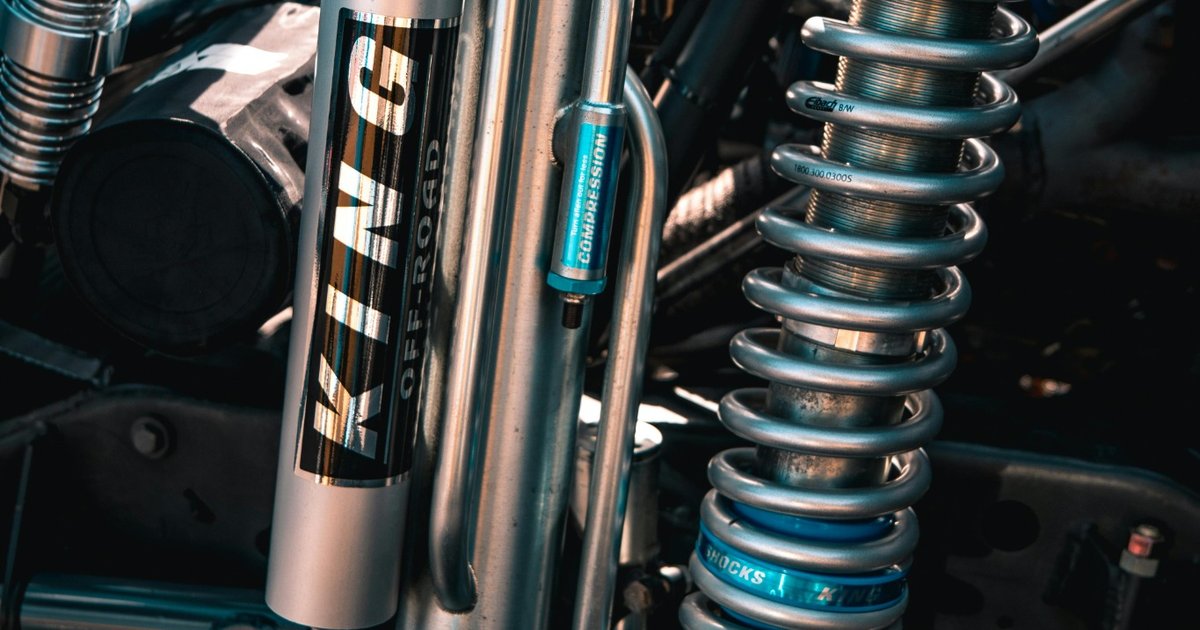
Advisories are one of the best predictors of what will fail next year’s MOT. Common progressions include:
- Brake wear advisory → brake failure
- Suspension wear advisory → suspension failure
- Tyre advisory → illegal tread depth
Patterns across multiple MOTs matter far more than a single test result. That’s exactly why checking the full history is useful.
Frequently asked questions about MOT advisories
Are MOT advisories serious?
Some are routine wear notes, others are early warnings. The main thing to watch is repetition or anything related to brakes, tyres, steering, suspension, or structural corrosion.
Do MOT advisories affect insurance?
Advisories do not automatically affect insurance. But if a known defect becomes dangerous and contributes to an accident, insurers may question roadworthiness and maintenance.
Do MOT advisories expire?
No. Advisories remain in the MOT history. You can’t remove them, but you can fix the underlying issue so it doesn’t reappear at the next test.
Can I remove an MOT advisory?
There is no official process to remove an advisory from a past MOT. The practical way to “clear” it is to repair the issue so it does not show up again on the next MOT.
Is it bad if a car has lots of advisories?
Not always. Older cars often pick up minor advisories. What matters is whether the advisories are repeated, getting worse over time, or include safety-critical items.
Should I fix advisories before selling a car?
Fixing obvious advisories can make a car easier to sell and may increase the price, especially tyres, brakes, suspension knocks, and fluid leaks. Even simple receipts help buyers trust the history.
What does an MOT advisory mean?
An MOT advisory means a component is worn, deteriorating, or close to its legal limit but still passed the MOT test. Advisories are warnings and should be monitored before the next test.
Can a car pass MOT with advisories?
Yes. A car can pass an MOT with advisories if no major or dangerous defects are found. However, repeated advisories often indicate underlying maintenance issues.
Official MOT records are published by the UK government: GOV.UK MOT history service.
Final advice
MOT advisories are not something to fear — but they should never be ignored. Used correctly, they help predict maintenance costs and avoid surprise MOT failures.
For the full picture, always check the complete MOT history, not just the latest test.
Internal links: Autodun Blog · MOT History Check UK · Electric Car Charger Map UK · UK councils & EV data gaps · Autodun MOT Predictor · Autodun EV Finder