EV Charging on UK Motorways — A Practical Driver Guide (Stops, Speed, Backups)
A practical UK motorway EV charging guide: how to pick reliable stops, avoid queues, plan backups, and reduce charging-time surprises — built from real tool usage and driver feedback.
What this guide is (and isn’t)
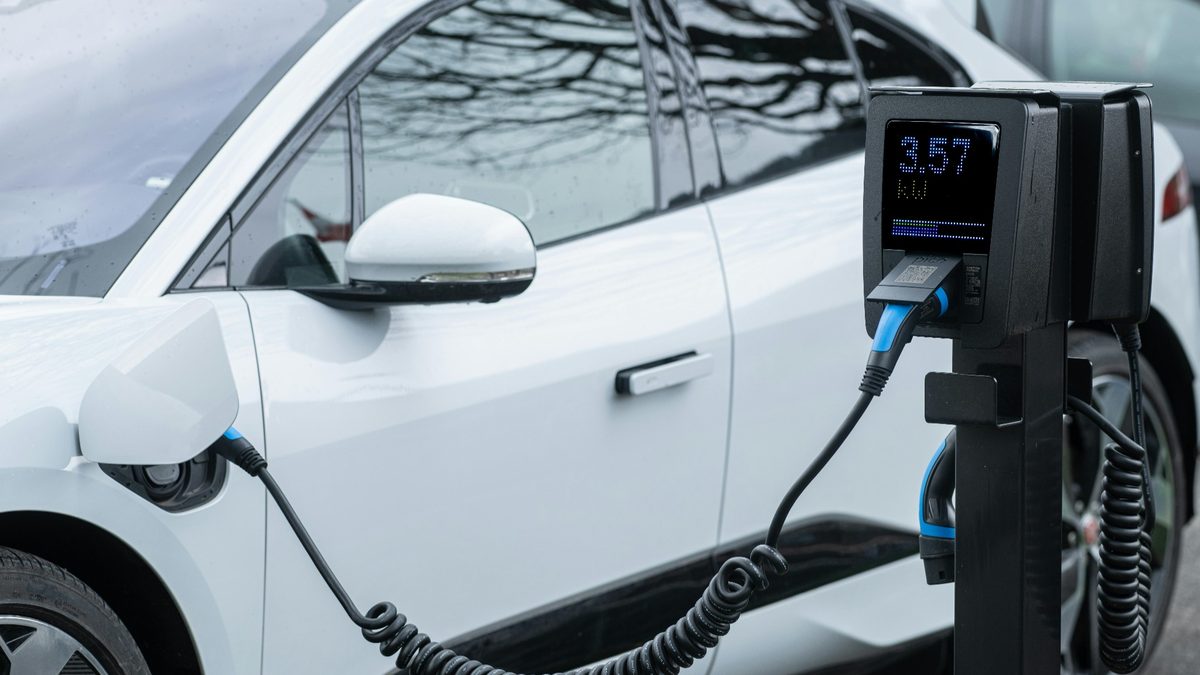
If you search “UK motorway EV charging”, you’ll find plenty of map screenshots. The real stress happens later: you’re on the M6, the battery is dropping, and you need a charger that is actually available, fast enough, and compatible with your car — without turning the trip into a spreadsheet.
This guide is written for drivers who want a repeatable process: how to pick the right stop, what to check before you arrive, and how to avoid the common failure modes (queues, broken units, odd pricing, or the wrong connector).
Where motorway chargers actually are
Most motorway rapid charging in the UK is concentrated at motorway service areas, nearby retail parks, and “just-off-the-junction” sites. On paper they look similar — in practice they behave differently.
Service areas (MSAs)
The advantage is obvious: toilets, food, and you’re already stopping. The downside is that these locations can become the default “everyone stops here” point, which creates queues at peak times. Availability can swing massively depending on day/time.
Near-junction alternatives
A charger 2–5 minutes off the motorway can be calmer and sometimes cheaper. The trade-off is that you need to factor the detour and make sure the site isn’t locked behind store opening hours.
The compatibility checklist (do this before you leave)
Before you build a “perfect” route, make sure the basics won’t break your plan:
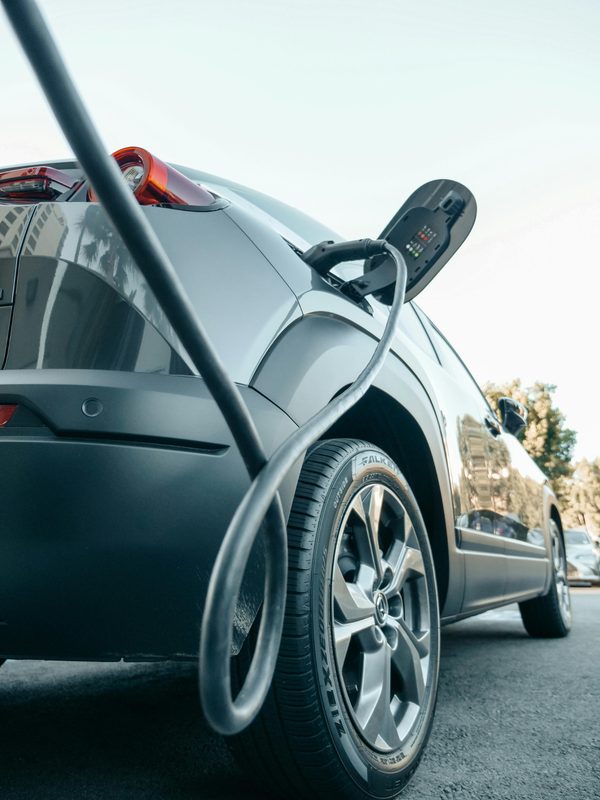
- Connector: Most modern UK EVs use CCS for rapid charging. Some older cars rely on CHAdeMO. Know yours.
- AC vs DC: A “charger” can be a slow AC post or a rapid DC unit. For motorway stops you usually want DC.
- Your max charging speed: Your car might top out below the charger’s headline kW. That’s normal — plan around your car.
- Payment method: Some sites are app-first; others allow contactless. Don’t discover this at 3% battery.
- Operating hours / access: A “nearby” charger is useless if it’s behind a gate after 8pm.
Use Autodun EV Finder to quickly check connectors and sanity‑check whether a route has enough alternative stations around each stop.
How to plan stops without overthinking it
1) Pick a charging window, not a single charger
Instead of “I will charge at Site X”, think “I will charge between 18% and 30% around Junction Y”. That mindset gives you flexibility when a site is busy or offline.
2) Prefer stops where you can leave if it’s a mess
Some sites have a single entrance/exit that becomes a queue. Others let you check quickly and bail out. When you’re low, choose the stop that offers the easiest escape route to your backup.
3) Arrive with margin
“Hyper‑efficient” plans fail first. Weather, traffic, detours, and queues all eat your margin. Arriving with 10–15% is boring — and boring is exactly what you want on long trips.
Charging time: what drivers get wrong
Most drivers overestimate how long they need and underestimate how much it varies. Charging speed is not constant: it’s fastest when the battery is low, then it tapers as the state of charge rises.
- Don’t chase 100% on a motorway stop. For many cars, the last part is slow — you’re paying time for diminishing returns.
- Two shorter stops can beat one long stop. Especially if it keeps you in the faster part of the charging curve.
- Heat/cold matter. In winter, pre‑conditioning and battery temperature can change the experience.
The common failure modes (and how to avoid them)
Queues at peak times
Friday evening and Sunday returns are the obvious spikes. If you can, charge a little earlier than “optimal” or stop at a near‑junction site before the busiest service area.
“Available” doesn’t mean working
Map data can lag. A unit can be listed, but offline, blocked, or half‑working. That’s why a backup stop matters. If you see a pattern of repeated issues at a location, treat it as “unreliable until proven otherwise”.
Pricing surprises
Pricing models vary (per kWh, session fees, membership discounts). For motorway trips, the best move is not to optimise pennies — it’s to avoid getting trapped at a slow or overloaded site because it looked cheaper.
Buying a used EV? Check the MOT history too
Charging is one part of ownership. If you’re buying used, your bigger risk is the “unknowns”: repeated advisories, corrosion patterns, or suspension issues that become expensive quickly.
Use Autodun MOT Predictor alongside an MOT history read (guide here) to spot recurring patterns before you commit.
A simple motorway EV charging checklist
- Pick a primary stop and a backup within a short detour.
- Confirm connector + rapid DC, not just “a charger exists”.
- Make sure payment is workable (contactless/app) before you’re low.
- Arrive with margin (aim 10–15% when possible).
- Charge for the next leg, not to 100% out of habit.
Use these Autodun tools alongside this guide
- Autodun EV Finder — search nearby chargers, compare connectors, and sanity-check coverage before you travel.
- Autodun MOT Predictor — when buying used, check MOT history patterns and risk signals.
- Autodun AI Agent — ask UK car questions and get guided next steps across tools.
Tip: If you spot missing or wrong charger info, use the feedback inside EV Finder — those reports are how we improve data quality over time.
Related reading: EV charger map guide · Councils & infrastructure gaps · MOT history check · MOT advisories explained
FAQ
Do I need an app for motorway EV charging in the UK?
Often yes. Some sites accept contactless, but many still work best with an operator app. Before a long trip, set up at least one or two common operator apps and test login/payment.
Is it worth charging to 100% on a motorway stop?
Usually no. Many EVs slow down significantly near a full battery. A shorter charge (enough for the next leg + margin) is often faster overall.
What’s the single best way to avoid getting stranded?
Arrive with margin and keep a backup stop. Low battery + a broken/queued site is the most common “panic” scenario — and it’s preventable with a second option.
Are “service area” chargers always the best choice?
Not always. They’re convenient but can be busy. Near‑junction alternatives can be calmer and sometimes quicker if they have multiple working rapid units.