EV Charging Reliability in UK Cities — What Maps Miss (and How to Plan Better)
Urban EV charging in the UK can look “covered” but still fail drivers. Here’s why — and a repeatable process to make charging predictable, with real-world checks and backups.
Why EV charging “coverage” can still fail you
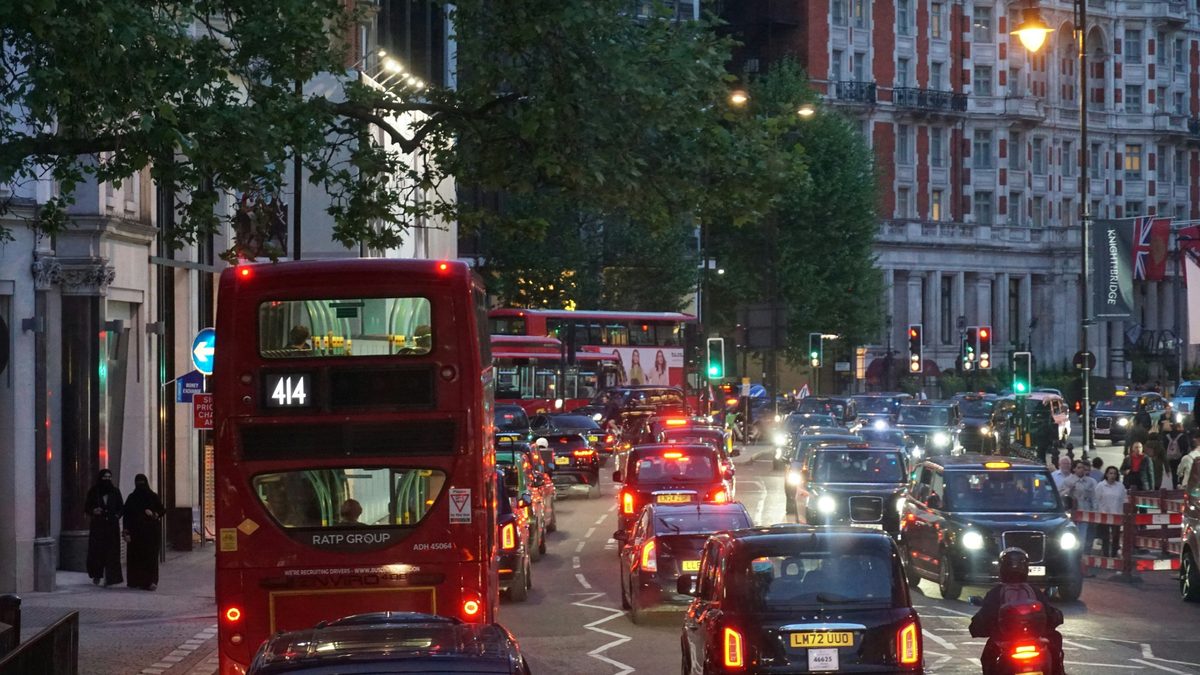
Most EV charging conversations start with a map. The map looks full. Then you drive into a busy area, and you discover the gap between “a pin exists” and “a charger you can actually use right now”.
This post explains the real-world reasons urban charging feels unreliable — and the checks that make it predictable. It’s written for UK drivers who want fewer surprises, not more hype.
What “reliability” actually means for drivers
A charger can be “on the map” and still be effectively unusable. For drivers, reliability is a mix of:
- Uptime: does the unit work consistently?
- Access: can you physically get into the bay (not blocked / not gated / not private)?
- Payment friction: can you pay quickly without app chaos?
- Queue risk: is the site a predictable bottleneck at certain times?
- Power reality: is it a rapid DC unit or a slow AC post?
The urban failure modes (and how to spot them)
1) “Charger present” but not accessible
Common examples: gated car parks, hotel/private sites, or chargers behind opening hours. The fix is simple: always confirm access rules and time windows before you rely on a pin.
2) Bays blocked (ICE’d) or used as parking
Even when policy is clear, behaviour isn’t. If a site is in a busy street parking zone, expect a higher chance of blocked bays. Prefer locations with multiple bays and clear enforcement.
3) Single‑point bottlenecks
A site with one or two chargers can look fine — until it becomes “the only convenient option” for a whole neighbourhood. Those are the places where queue risk spikes at predictable times.
4) Pricing and payment surprises
City charging is where drivers get hit by the most inconsistent payment experiences. If you’re doing a short top‑up, contactless matters. If you’re doing a longer charge, check whether pricing changes by time or membership.
A repeatable process that makes city charging boring
Step 1 — Always choose a “cluster”, not a single point
Don’t aim for one charger. Aim for an area with multiple alternatives within a short distance. If your first option is blocked/offline, you move immediately.
Step 2 — Filter by your real needs
- Need speed? Filter to rapid DC.
- Need cheap? Accept slower charging and plan time.
- Need certainty? Prioritise multi‑bay sites and places that are easy to access.
Step 3 — Build a habit: arrive with margin
Urban traffic is unpredictable. The “I will arrive at 2%” mindset is how drivers end up stuck at a bad charger. Keep margin and you keep options.
Why this matters beyond drivers (councils and planning)
Cities can look “well served” in dashboards while drivers still struggle. The difference is that dashboards often count installations, not experience. If bays are blocked, units are unreliable, or access is restricted, the driver outcome is still poor.
This is one reason we built Autodun content around “what happens when datasets meet real journeys” — and why we keep publishing practical guides that drivers can test immediately.
The used-car connection: don’t ignore MOT signals
If you’re switching to an EV via the used market, charging is only half the story. Your total cost can be dominated by tyres, suspension, corrosion, and repeated advisories — especially if a car has been driven hard.
Use Autodun MOT Predictor and our MOT advisories guide to interpret patterns before you buy.
City charging checklist
- Pick an area with multiple chargers (cluster), not one pin.
- Confirm access rules (gates, opening hours, private sites).
- Prefer multi‑bay sites to reduce queue risk.
- Keep margin so you can switch plans instantly.
- Use a tool that supports feedback — and report pins that don’t match reality.
Use these Autodun tools alongside this guide
- Autodun EV Finder — search nearby chargers, compare connectors, and sanity-check coverage before you travel.
- Autodun MOT Predictor — when buying used, check MOT history patterns and risk signals.
- Autodun AI Agent — ask UK car questions and get guided next steps across tools.
Tip: If you spot missing or wrong charger info, use the feedback inside EV Finder — those reports are how we improve data quality over time.
Related reading: EV charger map guide · Councils & infrastructure gaps · MOT history check · MOT advisories explained
FAQ
Why does a city look full of chargers but still feel hard?
Because “pins” don’t equal usable charging. Access rules, blocked bays, uptime, and queue pressure are what drivers actually experience.
Should I prioritise rapid chargers in cities?
If you need a quick top‑up, yes. If you’re parking for hours, slower AC can be fine. Match charger type to your time constraints.
How do I reduce queue risk?
Choose multi‑bay sites and have backups in the same area. Avoid relying on single‑charger locations at peak times.
What should I do when a charger pin is wrong?
Treat it as unreliable and switch to your backup. If the tool allows it, submit feedback — that’s how map quality improves over time.